Colonial dining tables — solid-wood heritage, built for export.
Turned legs, a thick planked top and honest solid-wood joinery — the British- and Dutch-colonial look manufactured in sheesham, mango and teak, to your sizes or ours, and shipped import-ready from a single container up.

A heritage table born in Indian rosewood workshops.
The colonial dining table is defined by its proportions: turned or gently tapered legs, a thick solid-wood planked top, a braced apron or stretcher, and a warm, period finish. It is the look the British and Dutch trading eras carried out of India — and it has always been cut from the dense tropical hardwoods those workshops worked in. Building it in Jodhpur, on genuine solid-wood credibility, means the style is made the way it was meant to be: real sheesham, real joinery, no veneer over panel.
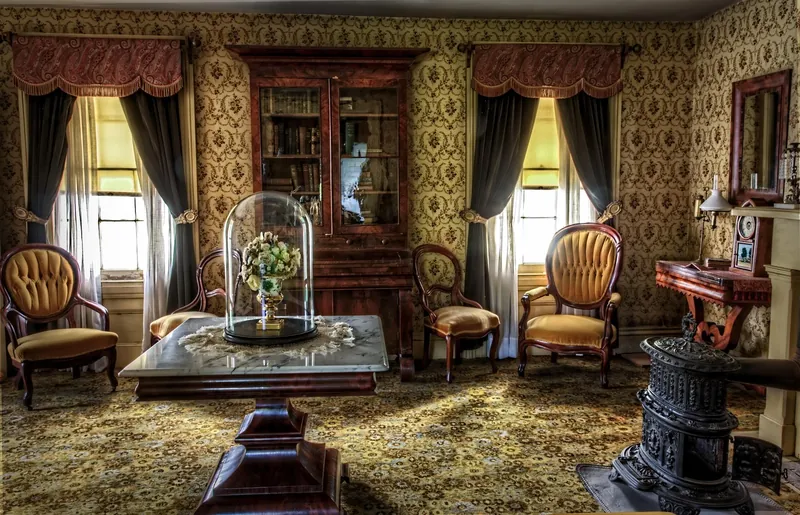
Sheesham — the authentic wood
Dense, close-grained Indian rosewood carries a heavy planked top on turned legs the way the colonial style demands.
Explore sheesham wood
Mango — the value alternative
Lighter, open-grained and fast-growing — a cost-advantaged colonial table for high-rotation retail ranges.
Explore mango wood
Rectangular, square or round
Planked tops with clean or breadboard ends, in the length and seat count your dining program needs.
See all dining-table stylesSolid hardwood, kiln-dried for the voyage and the shelf.
A dining table lives or dies on its top and its legs — the parts under the most load and the most daily wear. We cut both from solid wood, never panel or veneer, and kiln-dry to export moisture levels so the planks stay flat and the joints stay tight through a sea voyage and a dry retail floor. Pair the table with matching colonial dining chairs in the same wood for a complete set in one load.
Sheesham
Indian rosewood — dense, hard-wearing, deeply figured. The traditional colonial choice; CITES-compliant handling of Dalbergia sissoo as standard.
Mango
Open-grained and lighter, with a warm honey tone. A cost-advantaged option for large, price-sensitive retail programmes.
Acacia
Rich tonal variation and strong grain movement — characterful for premium colonial ranges and distressed finishes.
Teak
Naturally oily and stable — the premium wood for heritage ranges and tables destined for conservatories or covered patios.
Standard colonial dining-table dimensions and build options.
Indicative guidance for planning seating and container loads. Every dimension, wood, finish and top shape is made to order — share your drawings for an exact OEM specification.
| Attribute | Typical range / options |
|---|---|
| Table height | 75–78 cm (30–31 in) standard dining height |
| Length | 150 cm (4-seat) · 180 cm (6-seat) · 210–240 cm (8-seat) |
| Width | 90–100 cm rectangular · 100–120 cm square · 120–150 cm round |
| Top thickness | 2.5–4 cm solid-wood planks |
| Top shape | Rectangular · square · round · with plain or breadboard ends |
| Woods | Sheesham · mango · acacia · teak |
| Legs | Turned or tapered solid wood, apron- or stretcher-braced |
| Finishes | Natural · honey · walnut / dark stain · distressed · lacquer (CARB / TSCA-compliant) |
| Assembly | Fully assembled or knockdown / flat-pack (RTA) with bolt-on legs |
| Customisation | ODM catalogue designs · OEM to your drawings · private label |
Dimensions are indicative for export planning; confirmed specs are issued per order. Tables can be flat-packed with demountable legs to raise the piece count per 20ft / 40ft container.
The table that works from farmhouse retail to heritage hotels.
The colonial dining table carries across channels. It anchors warm, traditional retail assortments and farmhouse ranges; it suits heritage hotels, colonial-themed restaurants and clubs that want authentic solid-wood centrepieces; and its recognisable profile photographs well for online sellers. We build to the use: a boxed table for e-commerce, a repeat retail programme, or a full hospitality fit-out with matched chairs and benches.
Care & after-sale
Colonial tables ship with a care note for buyers: wipe with a dry or barely-damp cloth, use coasters and trivets against standing water and heat, and re-oil or wax natural finishes periodically to feed the wood. On knockdown builds, check and re-tighten the leg and stretcher fixings after the first few weeks of use. Thick solid-wood tops move slightly with seasonal humidity — a normal characteristic of real timber — and we supply replacement hardware and finish details on request to support your own warranty terms.
Import-ready paperwork on every colonial table.
We document FSC chain-of-custody, Vriksh timber-legality and CITES-compliant sheesham handling, and we build our due diligence around the EU Deforestation Regulation — geolocated and deforestation-free — so your container clears while others' wait. US Lacey Act support, UK Timber Regulation, CARB / TSCA finishes and ISPM-15 packing are covered as standard.
| Term | Detail |
|---|---|
| Minimum order | Trial / sample LCL · then 1× 20ft FCL for best pricing |
| Lead time | 30–45 days typical · urgent at premium |
| Incoterms | FOB / CIF · ex Mundra / Nhava Sheva |
| Consolidation | Mixed with colonial chairs, benches & other furniture |
| Packing | ISPM-15 heat-treated · flat-pack to maximise density |
| Design | ODM catalogue · OEM to drawings · private label |
What importers and hospitality buyers ask us.
What is a colonial dining table?
A colonial dining table is a solid-wood heritage table defined by turned or tapered legs, a thick planked top, a stretcher- or apron-braced frame, and the warm, period finish the British- and Dutch-colonial era carried out of India. It originated in Indian rosewood (sheesham) workshops. We build it in sheesham, mango, acacia and teak, plain or carved, as ODM catalogue designs or OEM to your drawings and sizes.
Which wood is best for a colonial dining table?
Sheesham (Indian rosewood, Dalbergia sissoo) is the traditional and most authentic choice — dense, close-grained and strong enough to carry a heavy planked top on turned legs for decades. Mango is a lighter, cost-advantaged alternative with open grain, acacia gives rich tonal variation, and teak suits premium heritage ranges. All are solid wood, kiln-dried to export moisture levels and CITES-compliant where sheesham is used.
Can colonial dining tables ship flat-pack to cut freight?
Yes. We engineer colonial tables as knockdown / flat-pack (RTA) with bolt-on legs and a demountable base, which lowers freight cost and transit breakage and raises the piece count per container — ideal for importers and online sellers. Fully assembled tables with glued, pegged and draw-bored joinery are also available.
What sizes do colonial dining tables come in?
Typical builds run from a four-seat 150 cm table to a 240 cm eight-seater, in rectangular, square and round tops, with thick solid-wood planks of about 2.5–4 cm. Every length, width, height and top thickness is made to order — share your seating plan or drawings for an exact OEM specification.
Are your colonial dining tables compliant for import into the US and EU?
Yes. We document FSC chain-of-custody, Vriksh timber-legality and CITES-compliant sheesham handling, and we are EUDR-ready with geolocation and deforestation-free due diligence. We support US Lacey Act declarations, UK Timber Regulation, CARB / TSCA formaldehyde-compliant finishes and ISPM-15 heat-treated export packing.
Can you make matching colonial dining chairs and benches?
Yes. A colonial dining table can be ordered as a coordinated set — matching dining chairs, benches and sideboards in the same wood, finish and turned-leg profile — so a complete colonial dining suite ships in one consolidated, compliant container.
Send your sizes or shortlist ours — we'll quote FOB/CIF with MOQs and lead times.
Request a sample to approve the wood and finish before you commit to a container, or download the catalogue to brief your buying team.