Pine furniture — lightweight, paintable solid wood built for high-volume export.
Pine is the workhorse of painted, Scandinavian, rustic and flat-pack ranges: fast-growing, cost-advantaged, easy to finish and light to ship. We manufacture it to export standard — kiln-dried, graded, FSC-ready and documented for the EU, UK and US.

A soft, pale, honest wood that paints, stains and ships beautifully.
Pine is a softwood from coniferous trees, grown fast in managed plantations around the world. Its pale cream-to-light-amber colour, straight grain and characteristic knots give furniture an approachable, cottage-and-cabin warmth that photographs well online and sells across a wide price band. Lighter than tropical hardwoods, it is the wood of choice when freight weight, a competitive landed cost and paint-ready surfaces matter more than maximum density.
Pine specification — the attributes that decide a purchase.
Reference values for common furniture-grade pine. Exact figures vary by species and plantation; we confirm grade, moisture content and finish against your market on every quotation.
| Attribute | Pine (solid) |
|---|---|
| Wood type | Softwood (coniferous / evergreen) |
| Colour | Pale cream to light amber; darkens gently with age |
| Grain | Straight, even, with distinctive knots |
| Relative hardness | Lower than sheesham, mango, acacia & teak (softer, dents more easily) |
| Weight | Light — reduces freight weight and eases flat-pack handling |
| Workability | Excellent — cuts, machines, routs and sands readily |
| Finish affinity | Takes paint and lacquer superbly; stains well with a pre-conditioner |
| Stability | Good once kiln-dried to controlled moisture content |
| Sustainability | Fast-growing, plantation-renewable; FSC chain-of-custody available |
| Best-fit ranges | Painted / farmhouse, Scandinavian, kids & montessori, flat-pack, seasonal |
Where pine wins, and where a hardwood earns its place.
Why importers choose pine
Cost-advantaged and light, so it sharpens landed price and lowers freight. It paints and lacquers to a flawless, uniform finish — the backbone of painted and two-tone cottage ranges. Fast-growing and plantation-renewable for a clean sustainability story. Easy to machine, which makes knockdown joinery and CNC detailing straightforward and keeps flat-pack assembly simple for the end customer.
Where to prefer a hardwood
Pine is softer than our hardwoods, so under heavy commercial knocks it dents and scratches more readily than sheesham or teak. For pieces that must showcase deep natural grain, carry heavy daily contract use, or command a premium price, a dense hardwood such as mango or sheesham is the better specification. Many ranges mix both — pine for volume, hardwood for the hero pieces.
Pine that clears customs — documented, not promised.
Because pine is plantation-grown and fast-renewing, it is one of the easiest woods to source responsibly — but the paperwork still has to be airtight. We supply FSC chain-of-custody pine and build EUDR-ready, deforestation-free due diligence with geolocation into every shipment, backed by Vriksh-grade timber-legality practice, US Lacey Act declaration support and UK Timber Regulation readiness. Finishes meet CARB and TSCA Title VI formaldehyde norms, and export packing is ISPM-15 heat-treated.
| Requirement | How we cover it for pine |
|---|---|
| Legality | FSC chain-of-custody · Vriksh-grade practice |
| Sustainability | Plantation-renewable · deforestation-free |
| EU market | EUDR-ready · geolocation · UKTR |
| US market | Lacey Act support · CARB / TSCA finishes |
| Export packing | ISPM-15 heat-treated · flat-pack options |
Ranges that suit the wood.
Painted & farmhouse
Dressers, sideboards, bedframes and dining in painted and two-tone finishes — pine's natural home.
Explore pine furnitureFlat-pack & knockdown
Light weight plus easy joinery makes pine ideal for RTA pieces that maximise container density.
See flat-pack options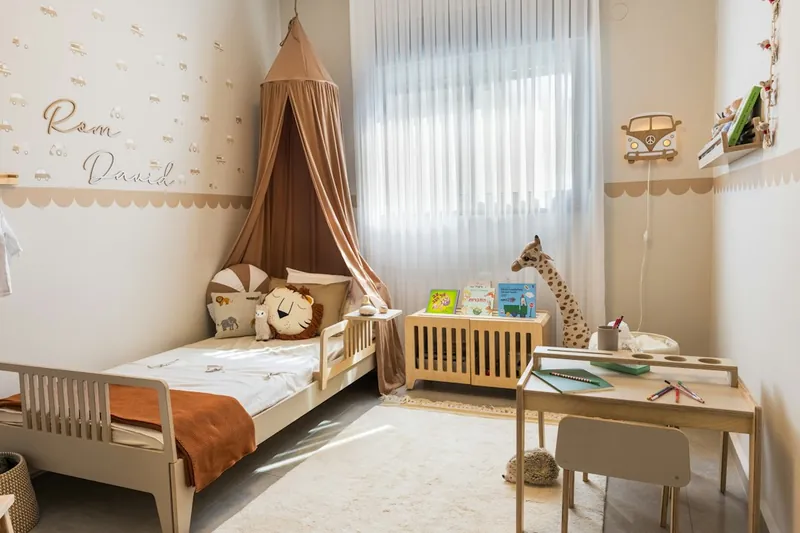
Scandinavian, kids & seasonal
Pale, clean pine suits Nordic, montessori and Christmas ranges — or compare every wood we offer.
Compare all materialsSimple care that keeps pine looking its best.
Keep it stable
Place away from direct heat sources and keep indoor humidity reasonably even. Kiln-dried pine is stable, but any solid wood moves with extreme swings in heat and moisture.
Clean gently
Wipe with a soft, slightly damp cloth and dry immediately. Avoid harsh solvents on painted and lacquered surfaces, and use coasters and felt pads to protect the softer surface from dents.
Refresh the finish
Waxed pine benefits from an occasional re-wax; painted pieces touch up cleanly. Because pine is easy to work, minor knocks are simple to sand and refinish in the field.
Pine furniture — frequently asked questions
Is pine a hardwood or a softwood?
Pine is a softwood — it comes from coniferous (evergreen) trees rather than broadleaf hardwoods like sheesham or mango. In practice that means it is lighter in weight, paler in colour and easier to work, cut and finish, with a Janka hardness that is lower than most tropical hardwoods. For painted, rustic, Scandinavian and flat-pack furniture that is an advantage, not a drawback.
Is pine furniture durable enough to export and sell?
Yes, when it is properly kiln-dried, graded and finished. Pine is softer than sheesham or teak, so it dents more easily under heavy knocks, but it is dimensionally stable once moisture content is controlled and it holds screws and joinery well. We kiln-dry stock to export-appropriate moisture levels and finish with hard-wearing lacquers or waxes, which is why pine is a staple for farmhouse ranges, children's furniture and knockdown pieces worldwide.
Is pine a sustainable choice of wood?
Pine is one of the more sustainable furniture woods. It is fast-growing and widely grown in managed plantations, so renewal cycles are short. We can supply FSC chain-of-custody pine and document deforestation-free, EUDR-ready due diligence with geolocation, so the environmental story stands up to buyer and customs scrutiny in the EU, UK and US.
What finishes work best on pine?
Pine takes paint, primer and coloured lacquers exceptionally well, which is why it dominates painted and two-tone cottage ranges. It also stains to warm honey, antique and grey tones, though a conditioner is used first because the soft grain absorbs stain unevenly. We finish with CARB and TSCA Title VI compliant, formaldehyde-controlled coatings suitable for US and EU retail.
Why choose pine over sheesham or mango for a container order?
Pine is lighter and generally more cost-advantaged, so it lowers freight weight and lands a sharper retail price point — ideal for painted, Scandinavian, kids' and seasonal lines and for flat-pack that maximises container density. Sheesham and mango are denser hardwoods with richer natural grain for premium pieces. Many importers run both: pine for volume price points, hardwood for the hero range, consolidated into one compliant container.
Let's price your pine range.
Send a catalogue, drawings or a reference and we will quote FOB or CIF with grades, finishes, MOQs and a 30–45 day lead time — from a trial LCL order up to repeat containers, consolidated with hardwood and décor if you wish.