Leather furniture — the grain, tanning and finishes that decide how it wears.
Leather earns its place on retail floors and hotel lobbies because it ages well and reads as quality. On every piece we build, that leather sits over a solid-wood or wrought-iron frame — so you buy character and a structure that carries full export compliance.

A natural hide — graded, tanned and finished to the use it has to survive.
Leather is a natural material, so no two hides are identical — that variation is the look buyers pay for. What decides whether a piece lasts a decade in a café or scuffs out in a season is the grade of the hide, how it was tanned, and the finish on top. Those three choices are yours to specify; the wood or iron frame beneath is where our Jodhpur craft and compliance live.
From full-grain to bonded — what each grade means for your order.
Full-grain
The complete, uncorrected hide surface. The strongest and most breathable grade, it develops a patina and disguises wear — the right choice for high-traffic hospitality seating and heritage-look pieces.
Top-grain
Lightly sanded and corrected for an even surface and colour. Slightly thinner than full-grain, easier to wipe clean, and consistent across a large run — ideal for retail ranges that must match piece to piece.
Genuine / split
Made from the lower layers of the hide, often with an applied finish. A cost-advantaged option for price-led lines and low-contact surfaces such as chair backs and trim.
Bonded & faux alternatives
Where budget or a vegan brief rules out real hide, we can build the same frames with bonded leather or PU upholstery. Tell us the brief and we match the material to the price point.
Leather furniture properties for specifiers.
| Attribute | Detail |
|---|---|
| Grades offered | Full-grain · top-grain · genuine/split · bonded & PU alternatives |
| Tanning | Vegetable-tanned (firm, patinas) · chrome-tanned (soft, colour-stable, water-resistant) |
| Finishes | Aniline · semi-aniline · pigmented · antique · distressed · pull-up |
| Durability | Full-grain highest; pigmented most scuff- and stain-resistant for contract use |
| Frame beneath | Solid sheesham, mango, acacia or reclaimed wood · wrought-iron for industrial styles |
| Typical products | Club & accent chairs, sling/safari & campaign chairs, bar stools, benches, ottomans, sofas, headboards, trunks |
| Care | Out of direct sun; dust & wipe; condition aniline/pull-up periodically; mild clean for pigmented |
| Sustainability | By-product hide; pair with FSC-grade reclaimed and solid-wood frames for a lower-impact piece |
Hide, tanning and finish are specified per order. Share your reference and we confirm the exact build in your quote.
Vegetable or chrome, aniline or pigmented — matched to the shelf.
Vegetable tanning gives a firm hide that darkens into a patina — the look behind antique, pull-up and campaign furniture. Chrome tanning produces a softer, colour-stable, water-resistant hide that holds a run of identical units together. The finish on top then sets the feel: aniline and semi-aniline keep the natural grain visible and soft; pigmented coats the surface for the toughest, most stain-resistant result in a bar or restaurant; antique and distressed finishes build in deliberate character.
For EU-bound orders we align tanning and dye choices with the REACH regime — which restricts chromium VI and certain azo dyes in leather — and provide the supporting documentation to serious buyers on request.
Pros & cons vs alternatives
| Option | Strength | Trade-off |
|---|---|---|
| Full-grain leather | Longest life, patinas | Shows natural marks; premium cost |
| Pigmented leather | Scuff & stain resistant | Less natural feel |
| Woven cane seat | Light, breathable, airy look | Lower load rating than leather |
| Fabric upholstery | Colour range, lower cost | Stains more; shorter contract life |
Seating and statement pieces, each on a frame we certify.
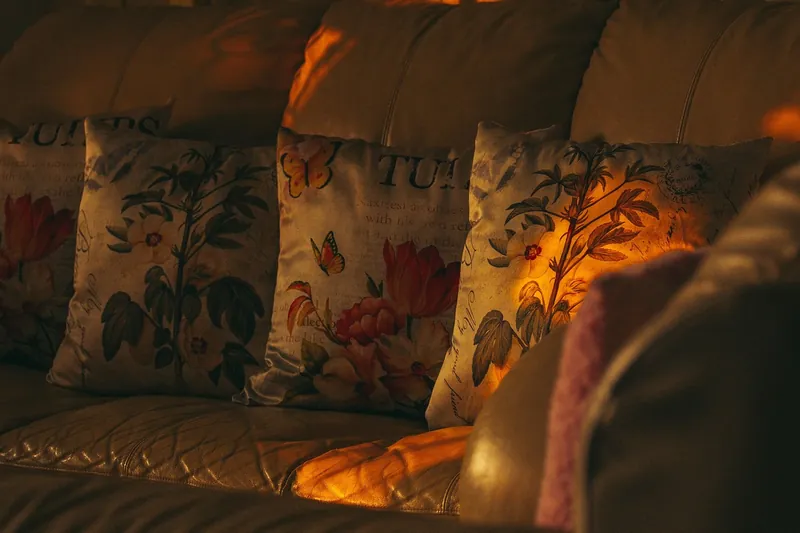
Chairs & seating
Club, accent, sling, safari and campaign chairs, plus bar and counter stools built for commercial use.
Explore leather seating in furniture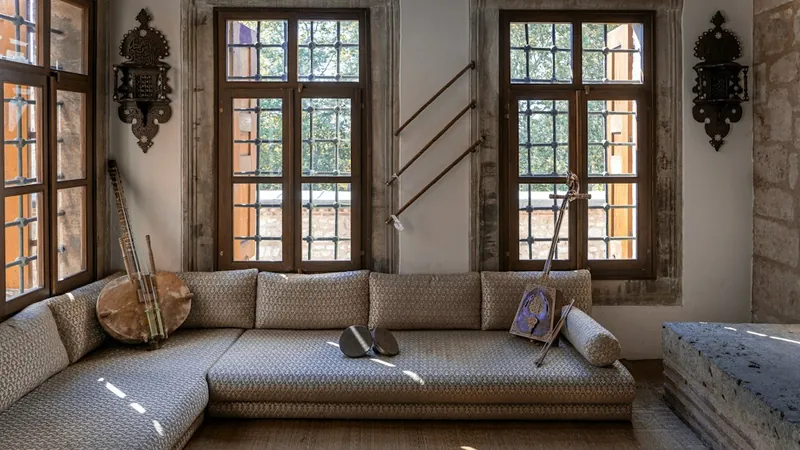
Ottomans & benches
Pouffes, footstools, upholstered benches and sofas that fill out a seating range or a hotel lobby.
See ottomans and benches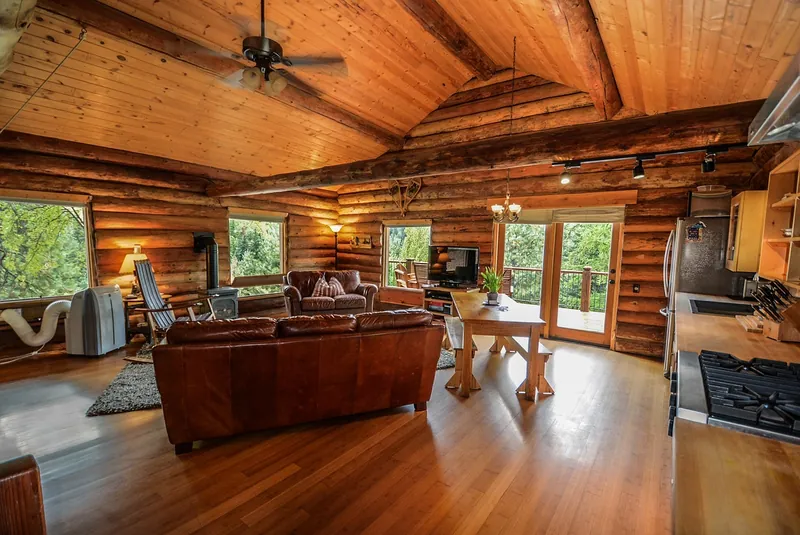
Trunks & headboards
Lidded leather storage trunks, upholstered headboards and accent pieces that lift a bedroom range.
Browse décor and accentsLeather sits on a frame that clears customs.
Every leather piece we make is built over solid wood or wrought iron — and that structure carries our timber legality and export paperwork. Sheesham handling is CITES-compliant, frames are Vriksh-verified with FSC chain-of-custody, and orders ship EUDR-ready with Lacey Act support, CARB / TSCA finishes and ISPM-15 packing. Certificate numbers go to serious buyers directly, never published.
| Area | Our standard |
|---|---|
| Frame legality | Vriksh verified · CITES-compliant sheesham |
| Sustainability | FSC chain-of-custody · reclaimed-wood frames |
| EU leather | REACH-aligned tanning & dyes · EUDR-ready frame |
| US market | Lacey Act support · CARB / TSCA finishes |
| Social audit | SEDEX / SMETA · ISO · SGS inspection |
| Export packing | ISPM-15 heat-treated · flat-pack options |
Leather furniture — FAQs
What is the difference between full-grain and top-grain leather?
Full-grain keeps the hide's natural surface intact, so it is the strongest grade, develops a patina and hides wear well — ideal for heavy-use hospitality seating. Top-grain is sanded and corrected for a more uniform look, is slightly thinner and easier to clean, and suits retail ranges that need consistency across a large run. We can supply either; specify the grade in your RFQ and we quote accordingly.
Is vegetable-tanned or chrome-tanned leather better for export furniture?
Neither is universally better. Vegetable-tanned leather is firmer, ages into a rich patina and is favoured for antique, pull-up and campaign styles. Chrome-tanned leather is softer, more colour-stable, water-resistant and faster to produce, which suits large uniform orders. Both can be specified; for EU retail we align the finish with REACH limits on chromium VI and restricted azo dyes, with documentation provided to serious buyers on request.
What leather furniture do you manufacture?
We build leather over solid-wood and wrought-iron frames: club and accent chairs, sling and safari chairs, campaign and butterfly chairs, bar and counter stools, benches, ottomans and pouffes, sofas, upholstered headboards and lidded leather trunks. Because each piece has a solid-wood or metal structure, it carries our timber-legality and export compliance.
How do I care for leather furniture?
Keep it out of direct sun and away from radiators to prevent drying and fading, dust it regularly and wipe spills promptly with a dry or barely-damp cloth. Condition aniline and pull-up leathers a few times a year; pigmented leathers need only mild cleaning. We supply care guidance and finish details with every order so your retail or hospitality client maintains the piece correctly.
Can you match a specific leather colour, finish or hide for a private-label range?
Yes. As an ODM and OEM manufacturer we produce to your drawings, colour references and finish standard — aniline, semi-aniline, pigmented, antique, distressed or pull-up — on the wood or iron frame of your choice, with branded or retail-ready packaging. Request a sample to approve the hide and finish before full production.
What is the minimum order for leather furniture?
A trial or sample order can ship LCL so you can approve the leather and build first. For best wholesale pricing thereafter, one 20ft full container load is our standard minimum, and leather seating can be consolidated with other furniture, metalware and décor in a single mixed container.
Send us the hide, grade and finish — we quote the piece on a frame that clears customs.
Whether you are a private-label brand, an importer consolidating a mixed container, or a hospitality buyer fitting out a lobby, we build your leather seating to spec and document it for your market.