Brass furniture — the properties, finishes and craft behind a material that lasts.
Brass is the warm, heavyweight metal that turns a table, a bar cart or a mirror into a piece buyers keep. Here is how it behaves, how we finish it, and how we ship it worldwide alongside our solid-wood and marble lines.

A copper-and-zinc alloy that is worked, not moulded by machine alone.
Brass is a non-ferrous alloy of copper and zinc. The zinc content sets its colour, hardness and workability, which is why a candle holder, a console leg and a mirror frame can all be brass yet feel different in the hand. In the Moradabad cluster — India's historic brass city — it is sand-cast, spun, pressed from sheet and hand-chased, then matched to the solid-wood and stone furniture we make in Jodhpur. The result is a material with real weight, a warm tone, and a surface that can be read as either bright and modern or aged and antique.
How brass behaves — and why it suits furniture built to be sold.
Use this as the quick-reference spec sheet when you are briefing a range, writing listings or reassuring a client about durability.
| Property | What it means for your range |
|---|---|
| Composition | Copper + zinc alloy; non-ferrous, so it does not rust like iron or steel. |
| Weight & feel | Dense and substantial — the heft buyers associate with quality and permanence. |
| Hardness | Harder and more wear-resistant than copper, yet soft enough to cast, spin and hand-chase into fine detail. |
| Corrosion resistance | Naturally corrosion-resistant indoors; develops a protective patina rather than flaking. |
| Surface behaviour | Takes a high polish or a deliberate antique finish; patinas slowly unless sealed with lacquer. |
| Forms | Solid cast, sheet-clad over a wood or MDF core, tubular/spun, and inlay or accents. |
| Durability | Repairable and re-finishable — scratches and dents can be dressed out and re-polished. |
| Sustainability | Fully and endlessly recyclable; much production uses recycled copper and zinc. |
One metal, many looks — matched to your sample before we cut a container.
Polished & brushed
A mirror polish for a bright, luxe look, or a brushed/satin finish that hides fingerprints and reads more contemporary.
Antique & raw
Chemically aged for a consistent vintage tone, or a raw living finish left to patina naturally over time.
Lacquered & plated
Clear lacquer seals the surface against tarnish; nickel, chrome, black or gunmetal plating and powder-coat extend the palette for contract use.
Every finish is approved on a physical sample first, so the tone, sheen and ageing on your production run match what you signed off. See how we handle sampling and approval when you request a brass finish sample.
Where brass earns its place in a mixed container.
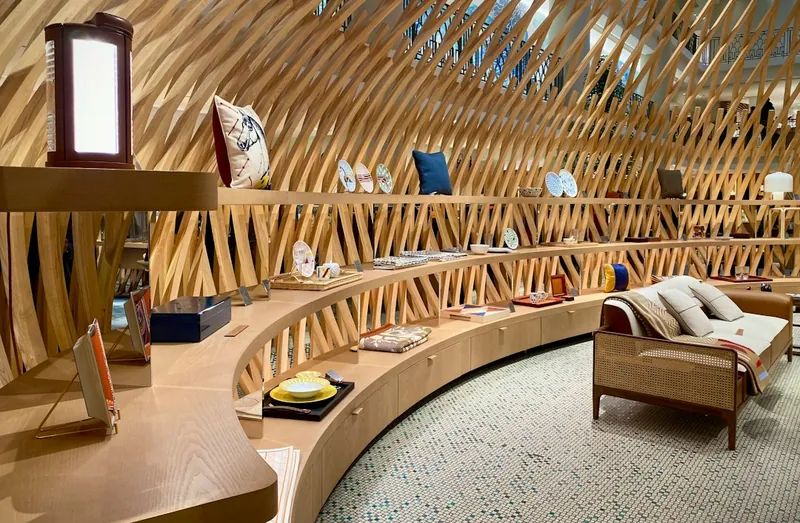
Furniture
Bar carts, console and side tables, dining and coffee tables with brass legs or frames, and sheet-clad cabinets.
Explore solid-wood & brass furniture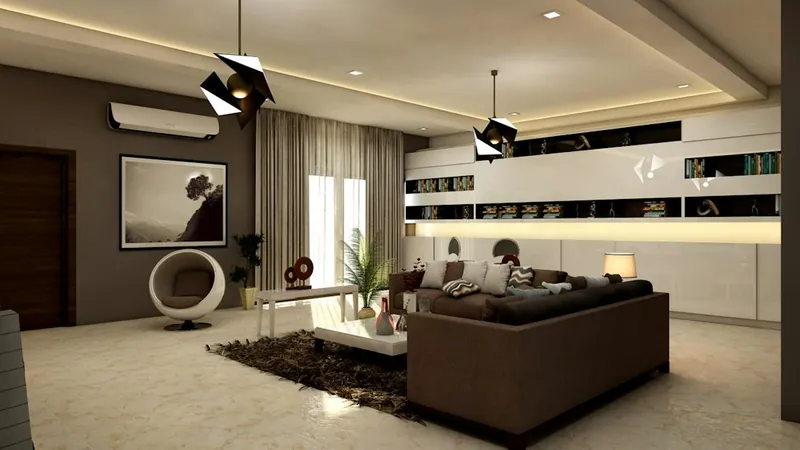
Décor & accessories
Trays, bowls, candle holders, lanterns, bookends and mirror frames — the high-margin, container-filling range.
Explore brass décor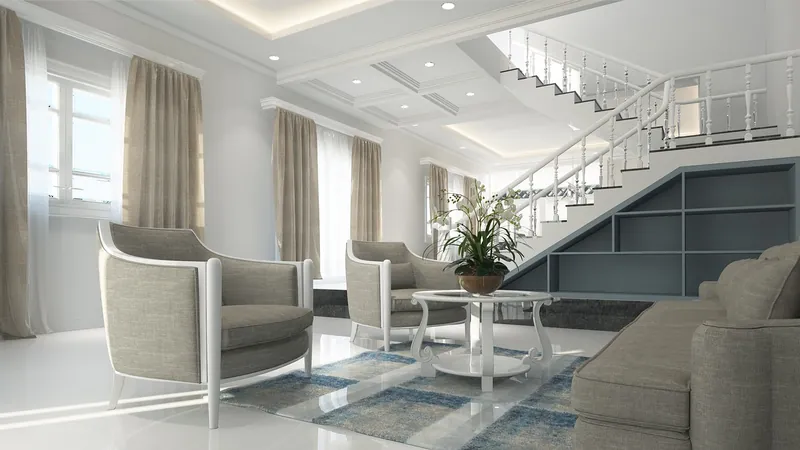
Inlay & accents
Brass inlay in wood, brass-and-marble tops, pulls and feet — detail that lifts a whole collection.
See brass with marble & stoneHow to keep brass looking the way your client approved it.
Lacquered brass needs only a dry or barely-damp soft cloth — no abrasives or acidic cleaners, which strip the seal. Raw and living-finish brass will deepen in colour over time; if a client prefers it bright, a non-abrasive brass polish restores the shine, after which it can be re-lacquered. Antique and brushed finishes are the most forgiving in daily use because marks blend into the surface. Because brass is repairable, a damaged piece can almost always be dressed and re-finished rather than scrapped — a genuine selling point over plated steel.
| Brass vs. the alternatives | Where it wins |
|---|---|
| vs. plated steel / iron | Non-ferrous — no rust bleed; solid tone right through, not a thin skin. |
| vs. aluminium | Heavier, warmer, reads as premium; takes a finer cast and polish. |
| vs. chrome / nickel | Warm metal tone and a patina story; repairable and re-finishable. |
| Trade-off to brief for | Heavier freight and a higher material cost — best positioned as a premium accent or statement piece. |
Brass shipped buyer-ready, with the paperwork serious importers expect.
Brass is a metal, so the timber regimes do not apply to the brass itself — but most of our brass pieces carry a wood or marble component, and the whole consolidated container has to clear. We cover that end to end: third-party SGS inspection and SEDEX/SMETA audited production, ISO quality management, EN 10204 MTC-style material and lot traceability where applicable, and ISPM-15 heat-treated export packaging for any wood crating or wood-cored piece. Where a line pairs brass with sheesham or mango, our FSC chain-of-custody, Vriksh timber-legality and EUDR-ready due diligence travel with it.
| Area | Our standard |
|---|---|
| Inspection | SGS third-party inspection on request |
| Ethical audit | SEDEX / SMETA audited production |
| Quality system | ISO quality management |
| Material traceability | EN 10204 MTC-style documentation, lot-tracked |
| Export packing | ISPM-15 heat-treated crating · flat-pack options |
| Wood components | FSC · Vriksh · EUDR-ready where timber is present |
Brass furniture — what buyers ask before they order.
What is brass furniture made of?
Brass is a non-ferrous alloy of copper and zinc, often sand-cast, sheet-formed or spun, then hand-finished. In furniture it appears as solid cast legs and frames, sheet-clad panels wrapped over a wood or MDF core, tubular bar carts and consoles, and decorative inlay. Our brass is worked in the Moradabad metal cluster and paired with our Jodhpur solid-wood and marble lines.
Does brass furniture tarnish, and how do you prevent it?
Bare brass develops a warm patina as copper reacts with air — many buyers want that living finish. Where a bright, stable look is required we apply a clear lacquer that seals the surface so it will not tarnish in normal indoor use. Antique and brushed finishes are chemically aged on purpose, so they look consistent from day one.
What finishes are available for brass furniture?
Polished (mirror), brushed or satin, antique or aged, raw living finish, and clear-lacquered for tarnish resistance. We also plate brass in nickel, chrome, black or gunmetal, and powder-coat for high-traffic contract use. Finish, tone and sheen are matched to your approved sample before production.
Is brass furniture suitable for hospitality and contract projects?
Yes. Brass is hard-wearing, corrosion-resistant and repairable, which makes it well suited to hotel, restaurant, café and bar interiors. We build to commercial-use expectations, document material and finish, and inspect each lot, with third-party SGS inspection and SEDEX/SMETA audited production available on request.
Can you combine brass with solid wood, marble or iron?
Yes — this is our core strength. We single-source brass with sheesham, mango, acacia and reclaimed wood, marble and stone tops, wrought iron, leather, cane and bone inlay, and consolidate mixed categories into one compliant container with managed QC.
What is your minimum order and lead time for brass pieces?
A trial or sample order can ship LCL. For best wholesale pricing we ask for one 20ft full container load thereafter, and mixed-category loads are supported. Typical lead time is 30 to 45 days, with urgent orders accepted at a premium. We quote FOB or CIF from Mundra or Nhava Sheva.
Tell us the look; we will match the metal, the finish and the wood.
Send a reference, a drawing or a mood — we will quote FOB or CIF with MOQ and lead time, produce a finish sample for approval, and consolidate your brass pieces with our furniture and décor into one compliant load.